


Introduction
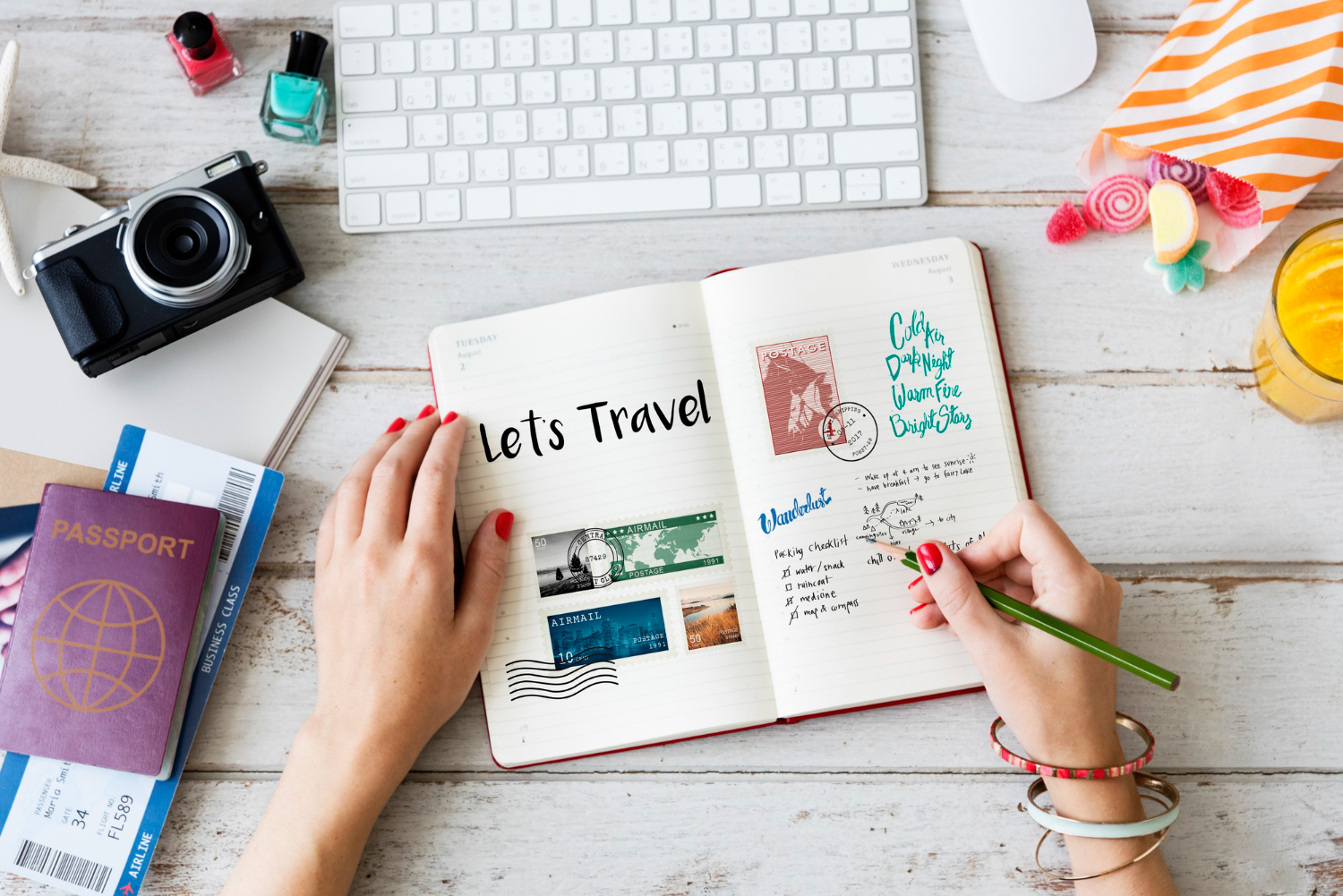
Your first international trip is one of those experiences you never forget. The moment you hand over your passport at a foreign airport, navigate an unfamiliar metro system, or sit down to a meal in a language you cannot read, something shifts permanently in how you see the world. But here is the truth that experienced travelers rarely tell beginners: the difference between a trip that changes your life and one that leaves you stressed, overspent, and exhausted often comes down to preparation. If you are a first time traveler planning your first big adventure in 2026, these ten essential travel tips will save you time, money, and a significant amount of unnecessary anxiety. Every single one comes from real experience, not a checklist someone wrote from behind a desk.
1. Start with the right destination for your experience level
The single most common mistake first time travelers make is choosing a destination that is too logistically complex for their current experience level. That is not a judgment. It is just practical wisdom. If you have never navigated a foreign airport, managed a multi-city itinerary, or dealt with a language barrier, choosing a destination with excellent tourist infrastructure, English-language signage, and straightforward visa rules will make your first experience genuinely enjoyable rather than relentlessly stressful.
1.1 Best first-time travel destinations in 2026
For English-speaking travelers, some of the most first-time-friendly countries in 2026 include:
- Portugal: Easy to navigate, English is widely spoken, safe, affordable, and extraordinarily rewarding
- Japan: Despite the language difference, Japan’s infrastructure is so good that first-time solo travelers navigate it with ease
- Ireland: No language barrier, outstanding hospitality, compact geography, and rich cultural experiences
- Canada: Familiar systems, English-speaking, and a staggering variety of experiences within one country
- New Zealand: Safe, English-speaking, well-organized, and offering world-class natural beauty
Choose your first destination based on how much logistical challenge you want to manage, then build upward from there on your next trip.
2. Get your documents in order earlier than you think you need to
Nothing derails a first international trip faster than a passport problem. This sounds obvious, but an extraordinary number of first-time travelers are caught off guard by passport validity rules, visa processing times, or entry requirements that have changed since they last checked.
2.1 Passport rules every first-time traveler needs to know
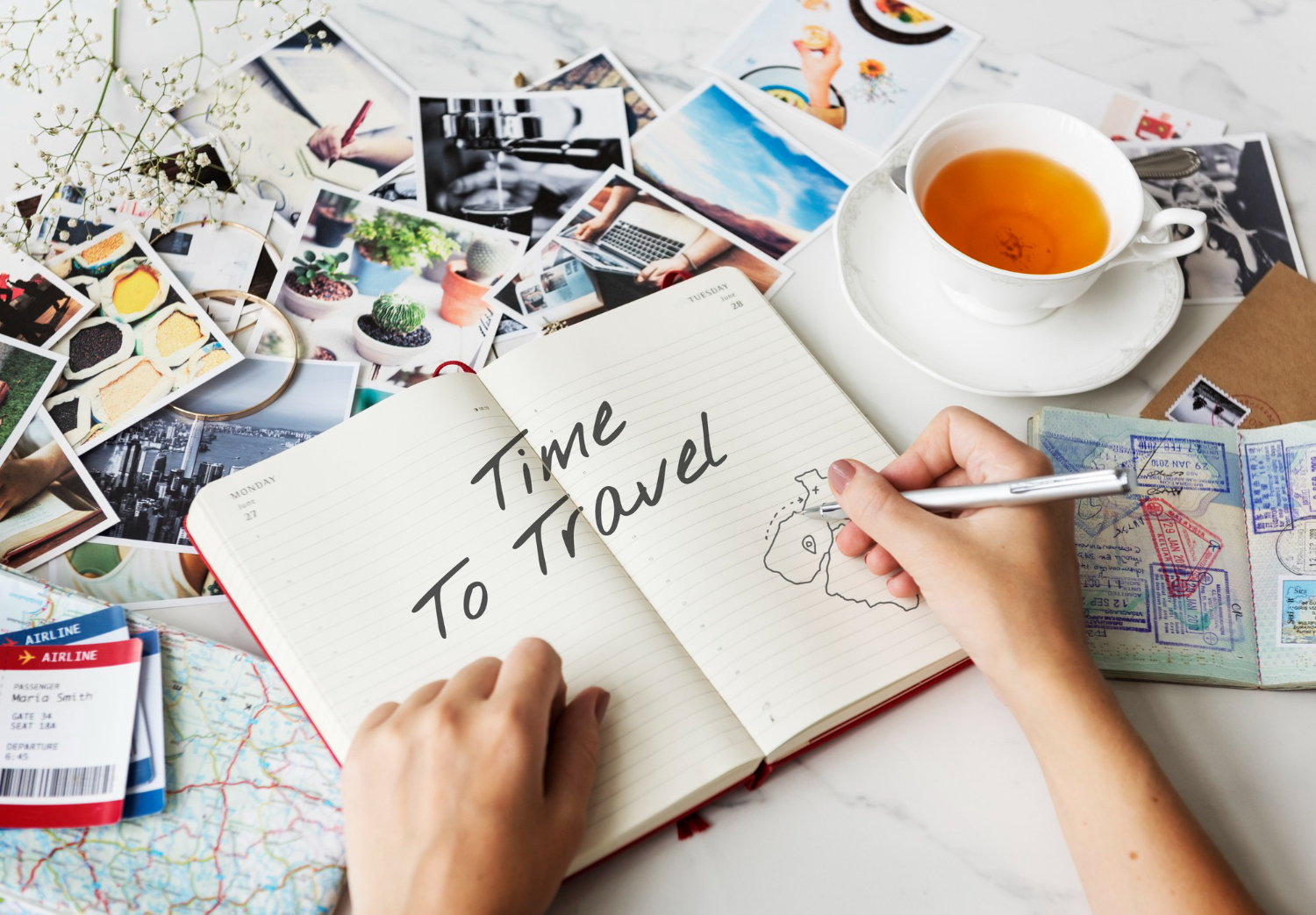
Most countries require your passport to be valid for at least six months beyond your intended departure date. This catches many first-time travelers by surprise. Check your passport’s expiry date right now, and if it expires within the next twelve months, renew it before you book anything.
2.2 Visa requirements in 2026
Visa rules vary dramatically by destination and by your nationality. Some countries offer visa-free entry, some offer visa-on-arrival, and others require you to apply weeks or months in advance through an embassy or online portal. In 2026, several countries have updated their electronic travel authorization systems, including the EU’s ETIAS system for non-EU passport holders, which is worth checking before you book a European trip.
Key document checklist for first-time travelers:
- Valid passport with at least six months remaining validity
- Visa or travel authorization if required by your destination
- Printed and digital copies of all booking confirmations
- Travel insurance documents
- Emergency contact list stored both digitally and on paper
- Vaccination records if required by your destination country
3. Buy travel insurance and actually understand what it covers
This is the travel tip that experienced travelers wish someone had told them before their very first trip. Travel insurance is not optional. It is a fundamental part of travel planning, and skipping it to save a modest premium is one of the most financially risky decisions a traveler can make.
3.1 What travel insurance actually covers
A comprehensive travel insurance policy for international travel typically covers:
- Medical emergencies and hospitalization abroad
- Emergency medical evacuation, which can cost tens of thousands of dollars without insurance
- Trip cancellation and interruption due to illness, family emergencies, or natural disasters
- Lost, stolen, or damaged luggage
- Flight delays and missed connections
- Personal liability in certain circumstances
3.2 How to choose the right travel insurance policy
Read the policy document before you buy, not after something goes wrong. Key things to check include the medical coverage limit (aim for a minimum of $500,000 USD for international travel), whether pre-existing conditions are covered, what adventure activities are included or excluded, and whether the policy covers the full duration of your trip.
In 2026, comparison platforms make it straightforward to compare policies side by side. Do not simply buy the cheapest option. Buy the one that actually covers what you need.
4. Plan your budget with more detail than you think is necessary
Most first-time travelers dramatically underestimate what international travel actually costs, and the shortfall usually shows up in the middle of a trip rather than before it. Building a detailed, honest budget before you depart is one of the most important travel tips for beginners because it prevents both overspending and the misery of cutting experiences short due to running out of money.
4.1 Travel budget categories every first-timer should plan for
- Flights and airport transfers
- Accommodation for every night of the trip
- Daily food and drinks budget (research average costs for your destination)
- Internal transport: trains, buses, taxis, ride-shares
- Attraction entry fees, tours, and experiences
- Travel insurance premium
- Visa fees and passport costs
- Travel vaccinations if required
- Shopping and souvenirs allowance
- Emergency fund: always carry a buffer of at least 15 to 20 percent above your planned budget
4.2 Money management tips for first-time travelers
Notify your bank before you travel internationally to avoid your card being blocked as a fraud precaution. Look into travel-friendly debit or credit cards that do not charge foreign transaction fees. Cards from providers like Wise, Revolut, and Charles Schwab are popular among frequent travelers for their competitive exchange rates and low overseas fees.
Always have some local currency in cash when you arrive at your destination. ATMs at international airports exist, but rates and fees vary significantly. Withdraw cash from bank ATMs rather than currency exchange kiosks where possible.
5. Pack smarter, not heavier
Overpacking is practically a rite of passage for first-time travelers, and almost everyone who has done it vows never to do it again. The problem with packing too much is not just the weight. It is the time spent managing luggage, the airline fees for oversized or overweight bags, and the physical burden of dragging a heavy case through train stations, cobblestone streets, and budget guesthouses with no lift.
5.1 The carry-on only challenge
If your trip is two weeks or less, seriously consider traveling with carry-on luggage only. A well-packed 20-litre to 30-litre backpack or small roller case can comfortably hold a week’s worth of clothing if you choose versatile, lightweight pieces that can be mixed and matched. Most accommodation, from hostels to mid-range hotels, has laundry facilities or nearby laundry services that make rewearing and washing straightforward.
5.2 Essential items first-time travelers forget
Some of the most commonly forgotten but genuinely useful items include:
- A universal travel adapter for your electronics
- A portable power bank for your phone
- A microfibre towel, lightweight and fast-drying for budget accommodation
- A basic first aid kit including pain relief, antihistamine, and any prescription medications
- Photocopies or photos of all important documents stored separately from the originals
- A small padlock for hostel lockers or luggage zips
6. Research your destination before you arrive, not after
There is a common tendency among first-time travelers to assume they will figure things out when they arrive. And while spontaneity has genuine value in travel, showing up at a destination with no knowledge of local customs, transport systems, safety considerations, or neighborhood geography is a recipe for frustration and wasted time.
6.1 Pre-travel research checklist
Before you depart, spend time researching the following:
- The local currency, rough exchange rates, and tipping culture
- How to get from the airport to your accommodation (research specific options and approximate costs in advance)
- Local laws and customs, particularly around dress codes, photography restrictions, and religious site etiquette
- Neighborhoods to stay in and areas to avoid, particularly in large cities
- Local emergency numbers and the location of your country’s nearest embassy or consulate
- Current travel advisories from your government’s official travel advice service
- Whether tap water is safe to drink at your destination
6.2 Using technology to prepare for travel in 2026
In 2026, travelers have access to better planning tools than ever before. Google Maps‘ offline functionality allows you to download entire city maps before you arrive and navigate without mobile data. Translation apps with offline language packs remove the language barrier from most situations. Apps like TripAdvisor, Lonely Planet, and local food discovery platforms give you curated, reviewed options before you even land.
7. Learn the basics of local culture and customs
One of the most underrated travel tips for first-time international travelers is also one of the simplest: take the time to understand basic cultural norms at your destination before you arrive. What is considered polite or respectful in your home country may be perceived very differently elsewhere, and cultural missteps, while usually forgivable, can affect how locals interact with you and can sometimes create genuine difficulties.
7.1 Cultural awareness by region
In Japan, removing shoes before entering a home or traditional inn is non-negotiable. In many Middle Eastern countries, modest dress is required in public spaces and religious sites. In parts of Southeast Asia, pointing your feet toward a person or religious image is considered deeply disrespectful. In many Latin American countries, punctuality is interpreted differently than in northern Europe or North America, and social interactions are warmer and less transactional.
These are not obstacles. They are part of what makes travel genuinely enriching. Learning even a few words of the local language, hello, thank you, please, excuse me, transforms how people respond to you and opens doors that would otherwise stay closed.
8. Stay connected safely and affordably while traveling
Mobile connectivity is not a luxury for modern travelers. It is a safety tool, a navigation aid, a translation resource, and a way to stay in touch with people who matter to you at home. Managing your connectivity thoughtfully before and during your trip is an essential part of first-time travel planning in 2026.
8.1 Mobile data options for international travelers
You have three main options for staying connected internationally:
- International roaming on your existing plan: Convenient but often very expensive; check your provider’s international rates carefully before relying on this
- Local SIM card purchased on arrival: Usually the most affordable option for longer trips; requires an unlocked phone and a few minutes at a local phone shop on arrival
- International eSIM: Increasingly popular in 2026, eSIM providers like Airalo, Holafly, and Google Fi allow you to purchase international data plans before you travel and activate them digitally without swapping a physical SIM
8.2 Public WiFi safety tips
Public WiFi networks in airports, cafes, and hotels carry security risks. Avoid accessing banking apps or entering passwords on unsecured public networks. A Virtual Private Network (VPN) encrypts your connection and provides meaningful protection when using public WiFi. Several reliable VPN services offer affordable monthly plans that are well worth the investment for frequent travelers.
9. Build flexibility into your itinerary
First-time travelers often over-schedule, filling every hour of every day with booked activities and timed reservations in an attempt to maximize their experience. The intention is understandable. The result is exhaustion, stress when anything goes wrong, and no space for the unexpected moments that almost always become the highlights of any trip.
9.1 The right balance between planning and spontaneity
A well-designed first travel itinerary has a clear structure without being rigid. Book accommodation in advance, particularly in popular destinations where availability can be limited. Have a shortlist of must-see attractions and experiences that you genuinely want to prioritize. But leave at least a third of your days with space for wandering, discovering, resting, or following a local’s recommendation you had not anticipated.
Some of the most memorable travel experiences come from a conversation with a stranger in a cafe, a festival you happened to stumble upon, or a side street you explored purely because it looked interesting. You cannot schedule those. But you can leave room for them.
9.2 Building buffer time around transport
Always build buffer time around flights, trains, and major transport connections. Missing a flight on your first international trip because you underestimated how long it takes to get from the city center to the airport is a stressful and expensive lesson. Budget more time than you think you need for transport. You can always use the extra time in an airport lounge or cafe, but you cannot undo a missed connection.
10. Prioritize your health and safety throughout your trip
No travel tip matters more than coming home healthy and safe. For first-time international travelers, health and safety preparation is an area where a little attention before departure pays enormous dividends throughout the trip.
10.1 Pre-travel health checklist
- Consult your doctor or a travel health clinic at least 6 to 8 weeks before departure to discuss required or recommended vaccinations for your destination
- Carry a sufficient supply of any prescription medications, along with a letter from your doctor explaining what they are
- Research the quality of tap water at your destination and plan accordingly
- Pack a basic medical kit for minor issues: pain relief, antihistamine, blister plasters, rehydration sachets, and any personal medications
- Check whether your destination has any current health advisories, including mosquito-borne disease risks
10.2 Personal safety tips for first-time travelers
- Keep your phone charged and your location shared with a trusted contact at home
- Avoid displaying expensive items, including high-end cameras, jewellery, and the latest smartphones, in areas known for pickpocketing
- Trust your instincts. If a situation or person makes you uncomfortable, remove yourself from it
- Use reputable, licensed transport options, particularly at airports where unlicensed taxi touts can be aggressive
- Keep digital copies of your passport, insurance, and all booking documents in a secure cloud storage service that you can access from any device
11. Bonus tip: embrace the unexpected
This one is not on most first-time travel tip lists, but it might be the most important of all. Things will go wrong. A flight will be delayed. A hotel will be disappointing. You will get lost in a city where nobody speaks your language. You will order something from a menu without knowing what it is and it will arrive looking nothing like what you imagined.
These are not failures. They are travel. The ability to adapt, laugh, stay calm, and find a solution is a skill that develops quickly once you start traveling, and it becomes one of the most valuable and transferable skills you will ever build. Your first trip will not be perfect. It does not need to be. It needs to be real, and the realest travel experiences are often the unscripted ones.
12. Conclusion
Your first international trip in 2026 does not need to be overwhelming. With the right preparation, a clear budget, sensible documents, comprehensive travel insurance, and an open mind, it can be one of the most exhilarating and genuinely life-expanding things you ever do.
These travel tips for first time travelers are not designed to make you overly cautious. They are designed to give you the confidence to go further, stay longer, and come back wanting more. The world is accessible, welcoming, and extraordinary for travelers who show up prepared.
If you are planning your first international trip and want personalized, expert guidance on destination selection, itinerary design, travel insurance, visa requirements, and practical preparation, our travel consulting team is here to help. We have helped hundreds of first-time travelers plan journeys that exceeded every expectation, and we would love to do the same for you.
Top 10 frequently asked questions for first time travelers in 2026
1. What is the most important thing to do before traveling internationally for the first time?
The single most important thing to do before your first international trip is to check your passport validity and understand the visa requirements for your destination. Your passport should be valid for at least six months beyond your return date. After that, purchasing comprehensive travel insurance before you depart is the most critical step most first-time travelers overlook.
2. How much money should a first time traveler budget for an international trip?
Budget varies enormously by destination, travel style, and trip length. As a rough guide, budget travelers in Southeast Asia or Eastern Europe can manage comfortably on 50 to 80 USD per day including accommodation, food, and activities. Western Europe and Japan typically require 100 to 200 USD per day for a comfortable mid-range experience. Always add a 15 to 20 percent emergency buffer on top of your planned budget.
3. What should a first time traveler pack?
First time travelers should focus on packing light and versatile. The essentials include valid travel documents and copies, travel insurance documents, appropriate clothing for the destination’s climate and cultural norms, a universal travel adapter, a portable power bank, basic first aid supplies, any prescription medications, and a secure money belt or anti-theft bag for valuables.
4. Is it safe to travel alone for the first time?
Solo travel is safe and deeply rewarding when approached with sensible preparation. Choosing a first-time solo travel destination with good infrastructure, low crime, and a strong tourist network, such as Japan, Portugal, New Zealand, or Ireland, significantly reduces risk. Sharing your itinerary with someone at home, staying in well-reviewed accommodation, and trusting your instincts are the foundation of safe solo travel.
5. What travel apps should every first time traveler download?
The most useful travel apps for first-time international travelers in 2026 include Google Maps with offline maps downloaded, Google Translate with offline language packs, your airline’s app for boarding passes and flight updates, a currency converter, TripAdvisor or a local equivalent for accommodation and restaurant reviews, and your travel insurance provider’s app for emergency contact information.
6. Do I need travel insurance for international travel?
Yes, absolutely. Travel insurance is not optional for international travel. A single medical emergency abroad without insurance can cost tens of thousands of dollars. A comprehensive policy covering medical emergencies, evacuation, trip cancellation, and lost luggage is one of the best investments any traveler, first-time or experienced, can make before departure.
7. How early should I arrive at the airport for an international flight?
For international flights, arriving at the airport at least three hours before your scheduled departure time is the standard recommendation. This allows time for check-in, bag drop, passport control, security screening, and reaching your departure gate. At larger, busier international airports during peak travel periods, arriving three and a half hours early is wise.
8. How do I avoid overpacking as a first time traveler?
The most effective way to avoid overpacking is to lay out everything you plan to take, then put half of it back. Choose clothing in neutral colors that mix and match easily, limit shoes to two or three pairs maximum, and remember that most destinations have shops and laundry facilities. If you can lift your bag comfortably and carry it for ten minutes without strain, it is the right size.
9. What should I do if my passport or wallet is stolen while traveling?
If your passport is stolen, contact your country’s nearest embassy or consulate immediately. They can issue an emergency travel document to get you home. Having a digital photo of your passport stored securely in cloud storage makes this process significantly easier. For a stolen wallet, contact your bank immediately to freeze your cards. This is why carrying a small emergency cash reserve separate from your main wallet is always recommended.
10. How do I deal with jet lag on my first long-haul flight?
Managing jet lag starts before you board the plane. Adjust your sleep schedule slightly toward your destination’s time zone in the days before departure. On the flight, stay hydrated, limit alcohol and caffeine, and try to sleep in line with your destination’s nighttime hours. On arrival, expose yourself to natural daylight, stay awake until local bedtime if at all possible, and avoid heavy meals in the first day. Most travelers find jet lag resolves within two to three days.








Leave a comment